Introduction
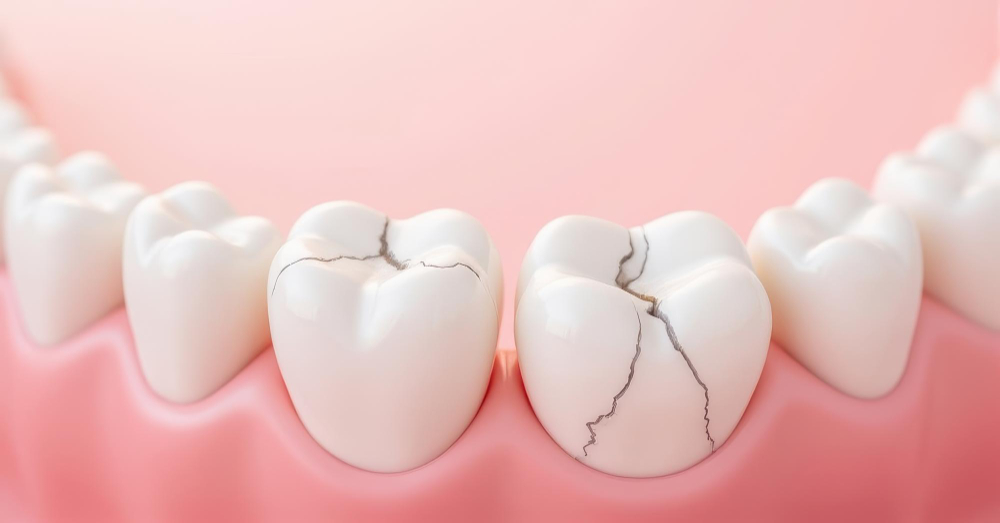
A cracked tooth can cause pain and lead to bigger dental problems if left untreated. Early treatment for a cracked tooth helps prevent infection and saves your tooth. Many dental restorations for cracked teeth are available. These options can restore your smile and comfort. In this blog, you will learn about symptoms, causes, treatment options, and how to fix a cracked tooth. You will also find tips for cracked tooth recovery and prevention.
Symptoms and Causes of a Cracked Tooth
Recognizing a cracked tooth early is important. Below are common symptoms and causes:
Cracked teeth can happen for many reasons. For example, you might bite down on something hard. Other causes include:
Diagnosis of a Cracked Tooth
First, your dentist will ask about your symptoms and dental history. Next, they will examine your mouth. Often, they use a bright light or magnifying lens to look for cracks. Sometimes, they may use a dental dye to highlight the crack. In addition, X-rays or other imaging help check the tooth’s roots and surrounding bone. However, small cracks may not always show up on X-rays. Therefore, your dentist may use several tests to find the problem. According to the American Dental Association (ADA), early diagnosis leads to better outcomes.
Dental Restoration Options for Cracked Teeth
There are several ways to treat a cracked tooth. The best option depends on the crack’s size and location. Here are common dental restorations for cracked teeth:
Your dentist will explain which treatment for cracked tooth fits your needs best.
What to Expect During and After Treatment
During your visit, your dentist will numb the area to keep you comfortable. Then, they will clean the tooth and prepare it for the chosen restoration. For bonding, the dentist applies a tooth-colored resin and hardens it with a special light. If you need a crown or veneer, the dentist shapes your tooth and takes a mold. You may get a temporary crown while the final one is made. After treatment, mild soreness is common. However, most people return to normal activities quickly. To help with cracked tooth recovery, follow your dentist’s care instructions. For example, avoid hard foods and chew on the other side of your mouth for a few days.
Prevention Tips
Preventing cracked teeth is possible with simple steps. Consider these tips:
When to See a Dentist
If you notice pain, swelling, or a visible crack, see a dentist right away. Delaying treatment can lead to infection or tooth loss. Even if symptoms are mild, it is better to get checked. Early care often means simpler treatment and better cracked tooth recovery.
Conclusion and Call-to-Action
In summary, a cracked tooth needs prompt attention to prevent further damage. Many dental restorations for cracked teeth can restore your smile and comfort. If you think you have a cracked tooth, do not wait. Consult your dentist for the best treatment for your needs and a smooth recovery.