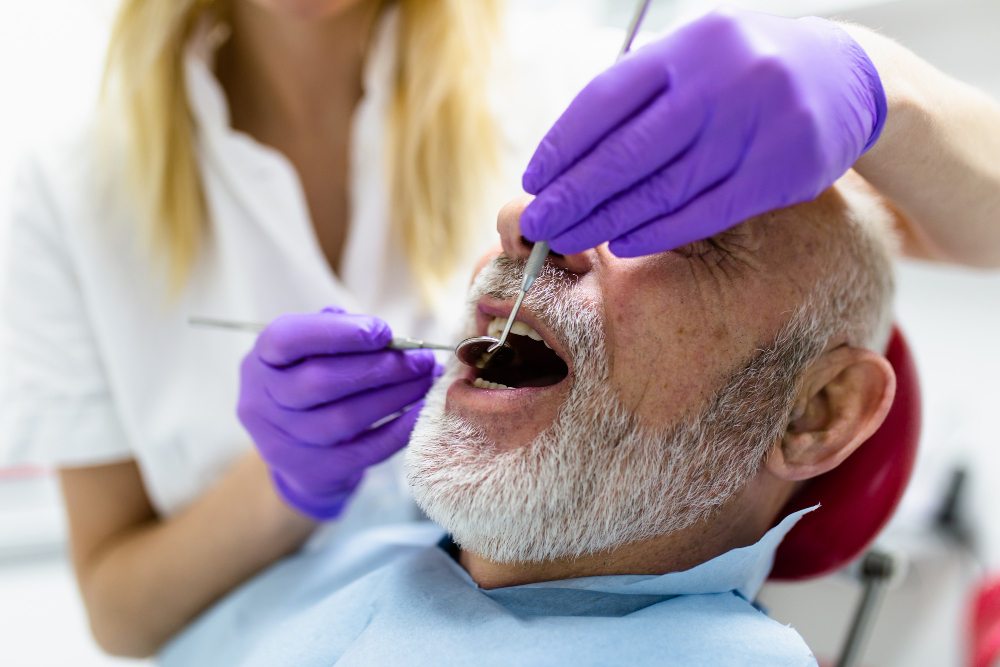
Introduction
Full mouth rehabilitation, also called full mouth rehab, is a complete dental treatment plan. It aims to restore all your teeth and improve your oral health. Many people need this treatment when they have several dental problems at once. For example, you may have missed, worn, or damaged teeth. With full mouth rehab, you can regain a healthy, strong, and beautiful smile. This process uses advanced restorative dentistry and dental restoration techniques. As a result, it can change your life by improving how you eat, speak, and feel.
Symptoms and Signs That May Indicate the Need for Full Mouth Rehab
Sometimes, it is hard to know if you need full mouth rehabilitation. However, certain signs can help you decide. If you notice any of the following, you may benefit from comprehensive dental treatment:
Additionally, if you feel embarrassed to smile or talk, it may be time to consider full mouth rehab.
Common Causes and Risk Factors
There are many reasons why someone might need full mouth rehabilitation. Some common causes include:
Moreover, habits like poor oral hygiene, smoking, or a sugary diet can increase your risk. Age can also play a role, as teeth wear down over time.
Diagnosis and Evaluation Process
First, your dentist will do a full exam to see if you need full mouth rehab. This includes:
Next, your dentist will create a custom treatment plan. This plan will address all your dental needs. According to the American Dental Association, a careful evaluation is key for success.
Treatment Options and Procedures Involved
Full mouth rehabilitation uses many dental treatments. Depending on your needs, your plan may include:
Sometimes, the process takes several visits over a few months. However, your dentist will guide you at every step.
Benefits and Expected Outcomes
Full mouth rehab offers many benefits. For example, you can expect:
In addition, many people feel happier and more confident after treatment. Studies show that good oral health can also support your general health.
Aftercare, Lifestyle Guidance, and Prevention Tips
After full mouth rehabilitation, it is important to care for your new smile. Here are some tips:
With good care, your dental restoration can last for many years.
Frequently Asked Questions (FAQs)
Conclusion
Full mouth rehabilitation can restore your smile and improve your quality of life. If you have many dental problems, this treatment may be right for you. Consult a dental specialist for personalized guidance.