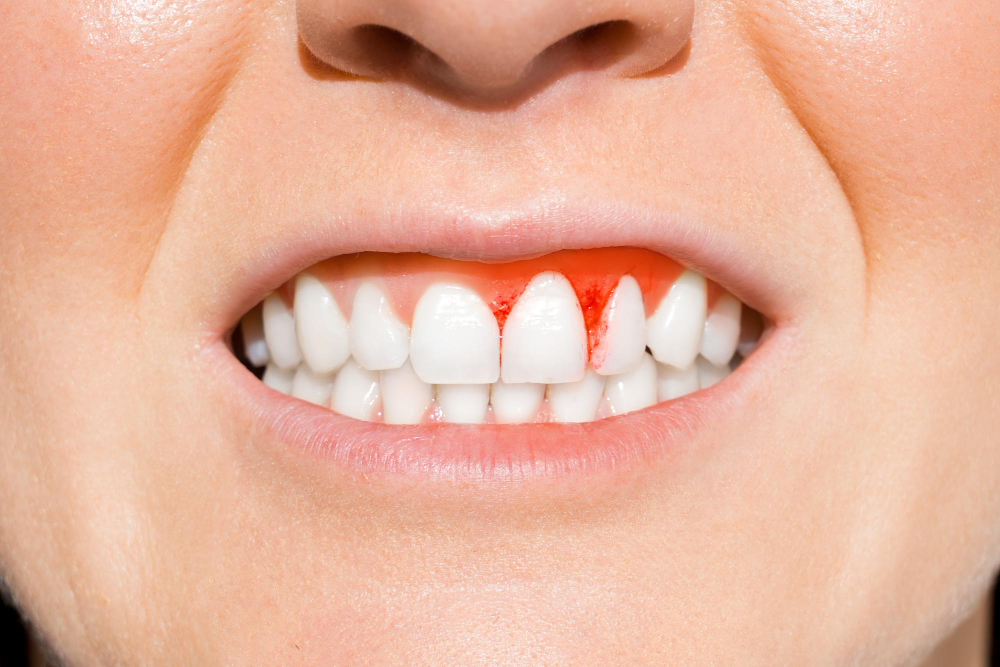
Gum diseases are common but often overlooked. Many people do not notice the early signs. However, gum diseases can lead to serious oral health problems if left untreated. In this blog, you will learn about gum disease symptoms, causes, diagnosis, treatment options, and oral health tips for prevention. Good oral care can help you avoid these issues and keep your smile healthy.
What Are Gum Diseases?
Gum diseases are infections that affect the tissues around your teeth. These tissues support your teeth and keep them in place. The most common types are gingivitis and periodontitis. Gingivitis is a mild form and can be reversed with good care. On the other hand, periodontitis is more serious and may cause tooth loss if not treated. According to the CDC, gum diseases affect nearly half of adults over 30 in the United States.
Common Symptoms of Gum Diseases
It is important to recognize gum disease symptoms early. This way, you can seek help before the problem gets worse. Watch for these signs:
If you notice any of these symptoms, you should visit a dentist soon. Early treatment can prevent more serious issues.
Causes and Risk Factors
Gum diseases usually start with plaque. Plaque is a sticky film of bacteria that forms on your teeth. If not removed, it can harden into tartar, which is harder to clean. Over time, this can lead to gum infection. Several factors can increase your risk, such as:
Because these factors can add up, it is important to practice good oral care every day. In addition, regular dental visits can help catch problems early.
How Gum Diseases Are Diagnosed
Dentists use several methods to diagnose gum diseases. First, they will ask about your symptoms and medical history. Next, they will examine your gums for redness, swelling, and bleeding. Dentists may also use a small tool to measure the space between your teeth and gums. X-rays can help check for bone loss around the teeth. With these steps, your dentist can find out how serious the gum disease is and suggest the best treatment.
Treatment Options for Gum Diseases
Treatment depends on how advanced the gum disease is. For mild cases, better brushing and flossing may be enough. Dentists may also recommend professional cleaning to remove plaque and tartar. In more serious cases, you may need:
Because early treatment works best, do not wait if you notice symptoms. Your dentist will help you choose the right gum disease treatment options for your needs.
Prevention Tips and Healthy Habits
Preventing gum disease is possible with simple daily habits. Try these oral health tips:
With these steps, you can lower your risk and enjoy a healthy smile. Remember, preventing gum disease is easier than treating it.
In summary, gum diseases are common but can be managed with good care. If you notice any gum disease symptoms, do not ignore them. Consult a dental professional for personalized advice on gum disease prevention and treatment.